
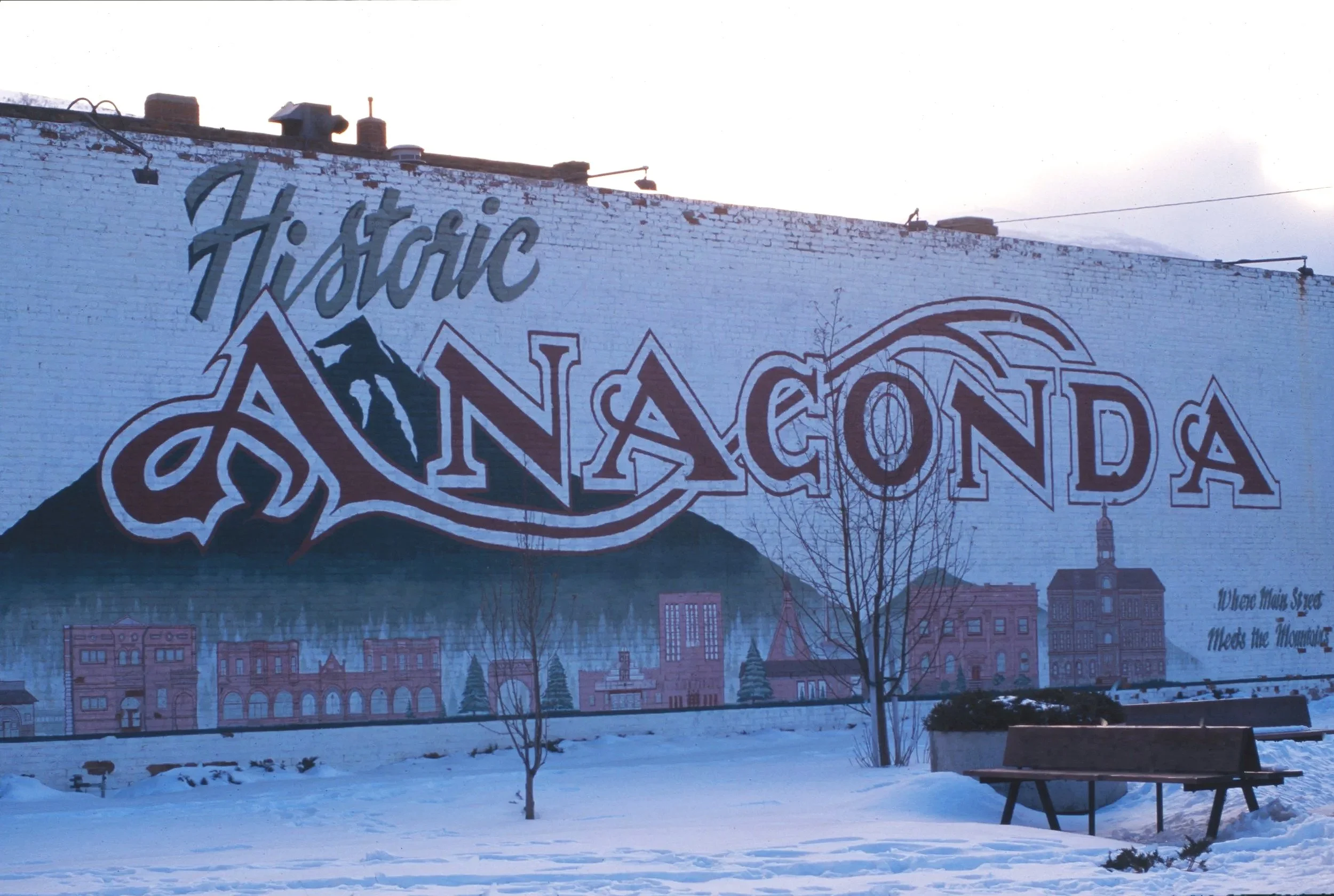
Anaconda was built by copper and a century and a quarter later, still shines copper bright in the rising Big Sky sun. The name Anaconda may conjure a 20-foot Amazon snake, but this historic Montana town owes its existence to an enormous copper strike in nearby Butte. Recognizing that Butte’s dwindling veins of gold and silver would soon close the mines, Irish immigrant Marcus Daly persuaded Butte miners to dig for copper. The fortuitous strike, later called the Anaconda, would turn Daly into a modern day Croesus. As soon as the strike proved out, Daly knew copper smelting demanded huge supplies of water. Set in the shadow of a Mount Haggin in the towering Pintlar Range, a small valley was surrounded by lakes and streams—a fact that continues to attract 21stCentury fisherman, hunters and horse packers.
Daly built the first smelter on the north side of the valley in 1883, then quickly added sawmills to supply the smelter and booming town. Since the name “Copperopolis” was taken, the local postmaster suggested “Anaconda,” to honor the huge Butte copper strike. The Anaconda Reduction Works began full production in late 1884 and, recognizing the need for something more substantial than a rough collection of tents and shanties, Daly embarked on a building spree. The beautiful Montana Hotel offered foreign investors and mining engineers a chance to dine and dance beneath crystal chandeliers. Daly also built a horse track and a Court House as a means to attract the Montana state capital to Anaconda-- an attempt that ultimately failed.
At one time the Anaconda Smelter shipped copper ingots to the mints and factories throughout the U.S. and Europe.
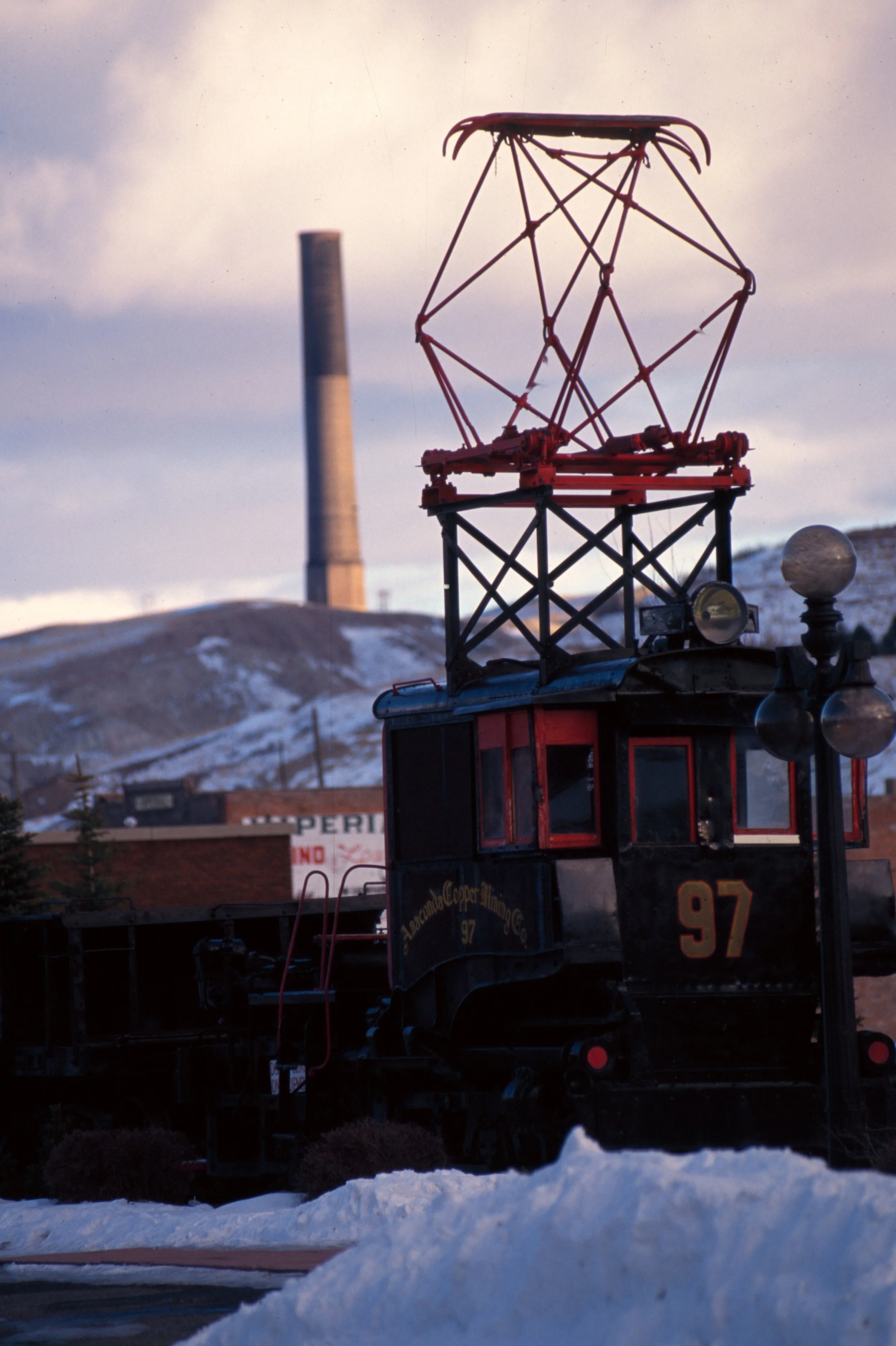
Anaconda Smelter Tug and tower
Between raw materials for the two World Wars and later demand for copper house wire and phone lines, the town thrived. Employing just shy of 5000 employees, the Smelter ran 24/7. By 19th century standards, workers made fabulous wages a bit of which they donated to dozens of local bars that offered a variety of corn distillates and fermented brews to rinse the smelter dust from their dry pallets.
Acquired by Atlantic Richfield Company in the mid 1970's, the smelter operated until the early 1980's when a declining copper market and tougher environmental laws forced its closure.
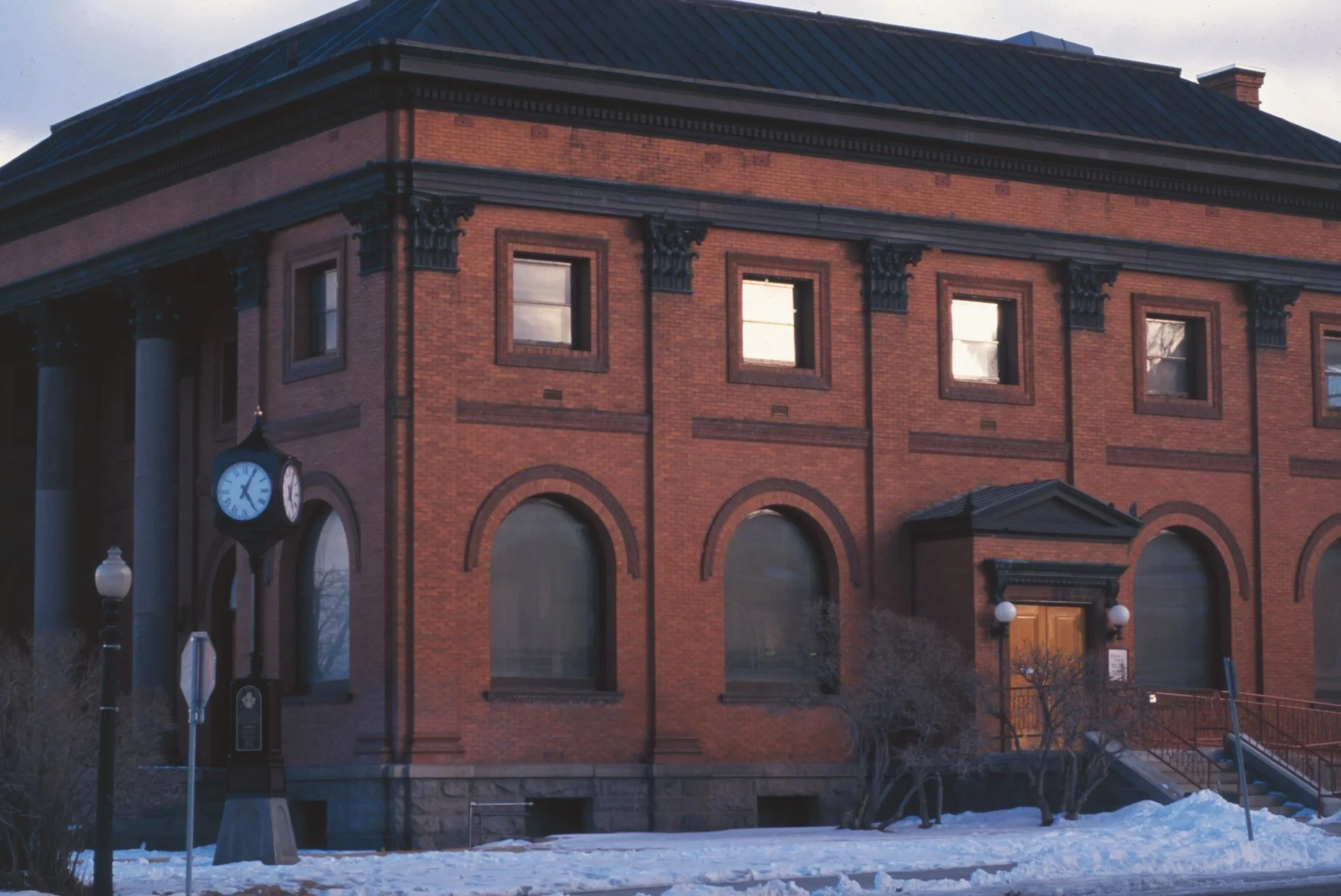
Anaconda Historic downtown 19th century architecture
If you come from the east on Montana's Highway 1, Anaconda appears in the shape of a black obelisk rising into the clear spring sky. The Smelter's 585 foot smoke stack is the world's largest and even from a distance of sixteen miles speaks of the small mining town's rich, copper plated history. Half a century ago, the stack scrubbed toxins out the smelters exhaust gases. Today it symbolizes the copper boom and bust that built and nearly sank this town of roughly 10,000.
Following the Smelter's close in 1980, Anaconda hesitated on the brink of bankruptcy.
One old timer quipped, "Would the last to leave please turn out the lights?" And dismissing the acres of black tailing piles marked the old Smelter site, local workers took stock of Anaconda's historic downtown, the adjacent lakes, forests, rivers and Beaverhead Valley and decided to wait out the catastrophic downturn in the local economy.
With help from a Super Fund grant, the tailing piles were sculpted into a new Arnold Palmer Golf Course. Historic brick buildings were preserved and fisherman, campers and hunters discovered the town’s history and surrounding wild landscape. Anaconda's adjacent cattle ranches attracted eastern dudes and while a variety of bed and breakfasts and excellent home style restaurants continued to draw travelers from Montana's Highway 94, the Fairmont Hot Spring's Olympic size hot water pool offered a therapeutic soak after a long day in the saddle, on a mountain bike or stepping from edge to edge down nearby Discovery Basin’s ski slopes. Anaconda today mixes history with old west hospitality and classic turn of the century architecture with the amenities of a modern resort.
Marcus Daly may have turned a fortune in copper, but he is best remembered for a town, which still captures the character and optimism of the copper king himself.
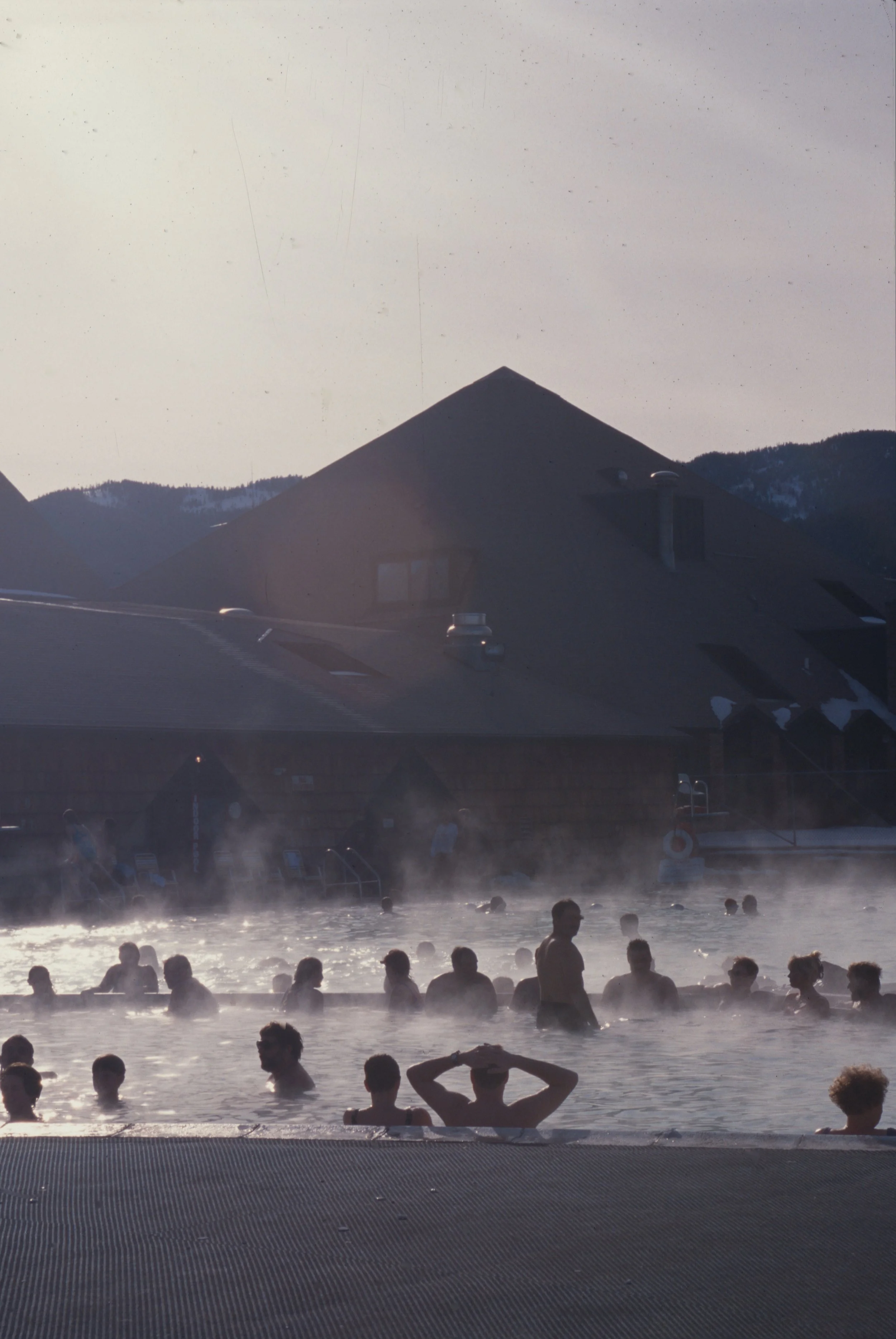
hot springs pool